
Polyketone-Based Compounds to Compete with Nylons 6, 66 and POM
Avient’s new Edgetek PKE and LubriOne PKE boast comparable performance and lower production-related CO2 levels than Nylons 6 and 66 and acetal.


Two new series of compounds based on polyketone (PK) said to deliver comparable performance and lower production-related CO2 levels than nylons 6 and 66, and acetal (POM), have been globally launched by Avient Corp., Avon Lake, Ohio.
The Edgetek PKE and LubriOne PKE series have been developed in response to current nylon supply constraints. These specialty PK formulations reportedly combine excellent chemical and hydrolysis resistance to meet the challenges of harsh applications, such as those found in chemical, fuel contact, or high-moisture environments. Moreover, these materials sustainability benefits over the product lifecycle through carbon footprint reductions compared to competitive materials--PK base resin production emits up to 61% less CO2 than nylon and POM. Additionally, the new grades are formaldehyde-free, addressing VOC concerns in manufacturing compared to POM.
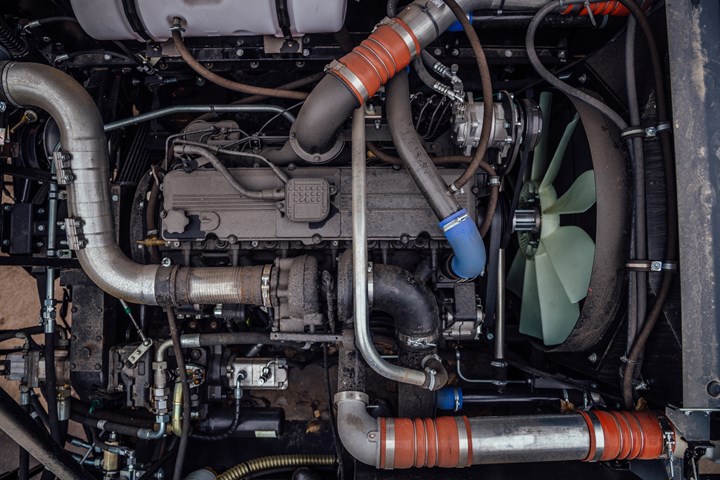
Said Matt Mitchell, global marketing director of Avient’s Specialty Engineered Materials unit, “These developments provide a sustainable and cost-effective alternative to PA66 and PA6 supply constraints hindering our customers. Better still, the two series offer comparable performance to traditional materials and help support sustainability goals across many industries.”
▪ The Edgetek PKE series includes short glass-reinforced formulations with 10% to 40% short glass fiber. They boast exceptional chemical resistance, low moisture uptake, excellent dimensional stability, and high impact and wear resistance. The reinforced grades are targeted at applications in the industrial, electronics and transportation markets like pipes and tubing, electrical battery components, and under-the-hood fuel or chemical contact components.
▪ The LubriOne PKE series are internally lubricated grades that combine chemical resistance performance with improved wear resistance and low coefficient of friction properties. The added lubricity is said to help meet the low friction needs of applications in industrial, electronics and appliance markets like conveyor belts, gears, switches, pumps, and spigots.
Related Content
-
Polymer Science for Those Who Work With Plastics: Molecular Weight — What It Is and Why It Matters
Molecular weight might seem like an abstract concept, but it plays a crucial role in determining the behavior of plastics during processing and in their final applications.
-
Part 3: The World of Molding Thermosets
Thermosets were the prevalent material in the early history of plastics, but were soon overtaken by thermoplastics in injection molding applications.
-
Polymer Showdown — PC/ABS vs. PC/PBT — May the Best Material Win
First in a series, experts from plastics engineering consultancy The Madison Group will pit leading thermoplastics against each other to see how they differ in processing characteristics, chemical resistance, thermal and mechanical performance, and more.


